
Process servers are an essential part of the legal system, responsible for ensuring that legal documents reach the right people. However, there are many myths surrounding their role, which can lead to misunderstandings about what they do. In this article, we aim to clear up some of these misconceptions and provide a clearer picture of the process server profession. Let’s take a look at some of the most common myths and the truths behind them.
Key Takeaways
- Process servers are not law enforcement officers; they can’t make arrests.
- They must follow legal guidelines and cannot enter homes without permission.
- Evading a process server won’t stop legal actions from proceeding.
- Their job involves more than just serving papers; they also track down individuals and file documents.
- Process servers are regulated and must adhere to ethical standards.
Understanding The Role Of A Process Server

What Do Process Servers Actually Do?
Process servers are more than just delivery people. Their primary job is to deliver legal documents to individuals involved in court cases. But understanding process service involves knowing they also locate people, file paperwork, and ensure legal protocols are followed. It’s not just about handing over a document; it’s about making sure the right person gets it, and that it’s done legally. They are a key cog in the legal machine.
The Importance Of Legal Document Delivery
Legal document delivery is super important for a fair legal system. If people don’t get proper notice of a lawsuit or court hearing, they can’t defend themselves. This is where process servers come in. They make sure people get those documents, so everyone has a fair chance.
How Process Servers Ensure Due Process
Process servers play a vital role of process servers in legal cases by ensuring due process. Here’s how:
- They verify the recipient’s identity.
- They provide proof of service to the court.
- They follow specific legal guidelines for service.
Due process is a constitutional right, and process servers are on the front lines of protecting that right. They make sure everyone has a chance to be heard in court. It’s not just about serving papers; it’s about upholding justice.
Process servers are a key part of how process servers work, making sure the legal system is fair for everyone.
Common Misconceptions About Process Servers

Process servers are a key part of the legal system, but there are many myths about them. Let’s clear up some of the most common misunderstandings.
They Are Just Like Police Officers
One of the biggest misconceptions is that process servers have the same authority as police officers. This isn’t true. Process servers don’t have the power to arrest people or enforce laws. Their job is simply to deliver legal documents, like summonses and subpoenas. Think of them as messengers who specialize in legal paperwork.
They Can Enter Your Home Without Permission
Nope! Despite what you might see in movies, process servers can’t just barge into your house. They have to follow strict rules. They can’t trespass or use any kind of force to get the job done. If they break the law, they could face serious consequences. It’s all about following the legal guidelines.
Avoiding Them Means Avoiding Legal Issues
Hiding from a process server won’t make your legal problems disappear. In fact, it can make things worse. Courts have ways of dealing with people who try to dodge service, like allowing service by publication (putting a notice in the newspaper). So, facing the issue head-on is usually the best approach.
The Legal Boundaries For Process Servers
What They Can And Cannot Do
Process servers play a vital role in the legal system, but they aren’t above the law. There are very specific things they can and cannot do. They can deliver legal documents to the correct person, attempt service multiple times, and confirm service with an affidavit. However, they absolutely cannot trespass on private property without permission, use force or intimidation, or misrepresent themselves to gain access to someone. It’s important to remember that their job is to deliver documents, not to harass or endanger anyone.

The Importance Of Following Legal Guidelines
Adhering to legal guidelines is paramount for process servers. If they don’t follow the rules, the service can be deemed invalid, which can throw a wrench into the entire legal process. This means cases could be delayed or even dismissed. Plus, process servers who ignore the rules can face legal trouble themselves. It’s a serious business, and process serving companies need to ensure their servers are well-versed in the law.
Consequences Of Illegal Actions
If a process server steps outside the legal boundaries, the consequences can be severe. Here’s a quick rundown:
- Invalid Service: The service of process can be ruled invalid, meaning the legal proceedings can’t move forward until proper service is achieved.
- Legal Charges: Process servers can face criminal charges for actions like trespassing, assault, or impersonation.
- Civil Lawsuits: Individuals who have been harmed by a process server’s illegal actions can sue for damages.
Process servers must understand that their actions have real-world consequences. Cutting corners or ignoring the law can have a ripple effect, impacting not only the individuals involved but also the integrity of the legal system itself. It’s about upholding justice, not just delivering papers.
The Skills And Training Required For Process Servers
Understanding Legal Requirements
It’s a big mistake to think anyone can just become a process server overnight. A solid understanding of the law is absolutely essential. Process servers need to know the rules of civil procedure inside and out. This includes knowing how to properly serve different types of documents, understanding due process, and staying up-to-date on any changes to the law. Without this knowledge, they risk invalidating the service, which can have serious consequences for the case. They also need to know about legal document delivery requirements.
The Need For Professional Training
While a formal degree isn’t usually required, professional training is a must. This training covers a wide range of topics, from the legal aspects of service to practical skills like skip tracing and conflict resolution. A good training program will also teach process servers how to handle difficult situations and maintain professionalism at all times. Think of it like this: you wouldn’t want someone performing surgery on you without proper training, and the same goes for serving legal documents. It’s a job that requires skill and expertise.

Navigating Complex Legal Situations
Process servers often encounter complex and challenging situations in the field. This could involve serving someone who is actively evading service, dealing with uncooperative individuals, or serving documents in unusual or difficult locations. In these situations, it’s important to remain calm, professional, and resourceful. They need to be able to think on their feet, adapt to changing circumstances, and find creative solutions to get the job done while staying within the bounds of the law. It’s not always easy, but it’s a crucial part of the job.
Process servers need to be detail-oriented, persistent, and possess excellent communication skills. They must also be able to work independently and manage their time effectively. The job can be demanding, but it’s also rewarding for those who are committed to upholding the principles of justice.
The Variety Of Documents Process Servers Handle

Not Just Court Summons
It’s a common thought that process servers only deal with court summons, but that’s really not the whole picture. While summons are definitely a big part of the job, they handle a much wider array of legal documents than most people realize. Think of them as key players in the larger system of legal document delivery.
Serving Positive Legal Notices
It’s not all bad news! Process servers also deliver documents that aren’t necessarily negative. These can include things like legal notifications, certain types of official announcements, or even just important informational paperwork that needs to be formally delivered. This ensures everyone involved is properly informed, regardless of the document’s nature.
The Range Of Legal Matters
Process servers are involved in all sorts of legal cases. It’s not just lawsuits; they also handle documents related to family law, foreclosures, debt collection, and other civil matters. The variety keeps things interesting, and it highlights how important their role is in keeping the legal system moving. They might be serving a subpoena one day and a notice of eviction the next. It really depends on the needs of their clients and the courts.
The Professionalism Of Process Servers
Debunking The Aggressive Stereotype
It’s easy to picture process servers as aggressive people, maybe because of how they’re portrayed in movies and TV. But the truth is, most process servers are far from that stereotype. Their job is to deliver legal documents, not to cause trouble. They understand the importance of remaining calm and professional, even when dealing with difficult or uncooperative individuals. They’re trained to de-escalate situations and avoid confrontations.
Maintaining Respectful Interactions
Process servers know that respect goes a long way. They’re trained to treat everyone with courtesy and professionalism, regardless of the situation. This means being polite, clearly explaining the purpose of their visit, and answering any questions the recipient may have. It’s about ensuring the person understands the documents they’re receiving and what steps they need to take next. Hiring a top-notch process server ensures that legal documents are handled with care and respect.

The Ethical Standards They Follow
Process servers aren’t just delivering papers; they’re upholding the integrity of the legal system. They adhere to a strict code of ethics that governs their behavior. This includes:
- Following all applicable laws and regulations.
- Maintaining confidentiality.
- Avoiding any actions that could be perceived as harassment or intimidation.
- Documenting their attempts at service accurately.
- Never misrepresenting themselves or the documents they are serving.
Process servers play a vital role in the legal process, and their professionalism is key to ensuring that justice is served fairly and efficiently. They are dedicated to upholding the law and treating everyone with respect, regardless of the circumstances.
The Regulation Of Process Servers
Licensing Requirements
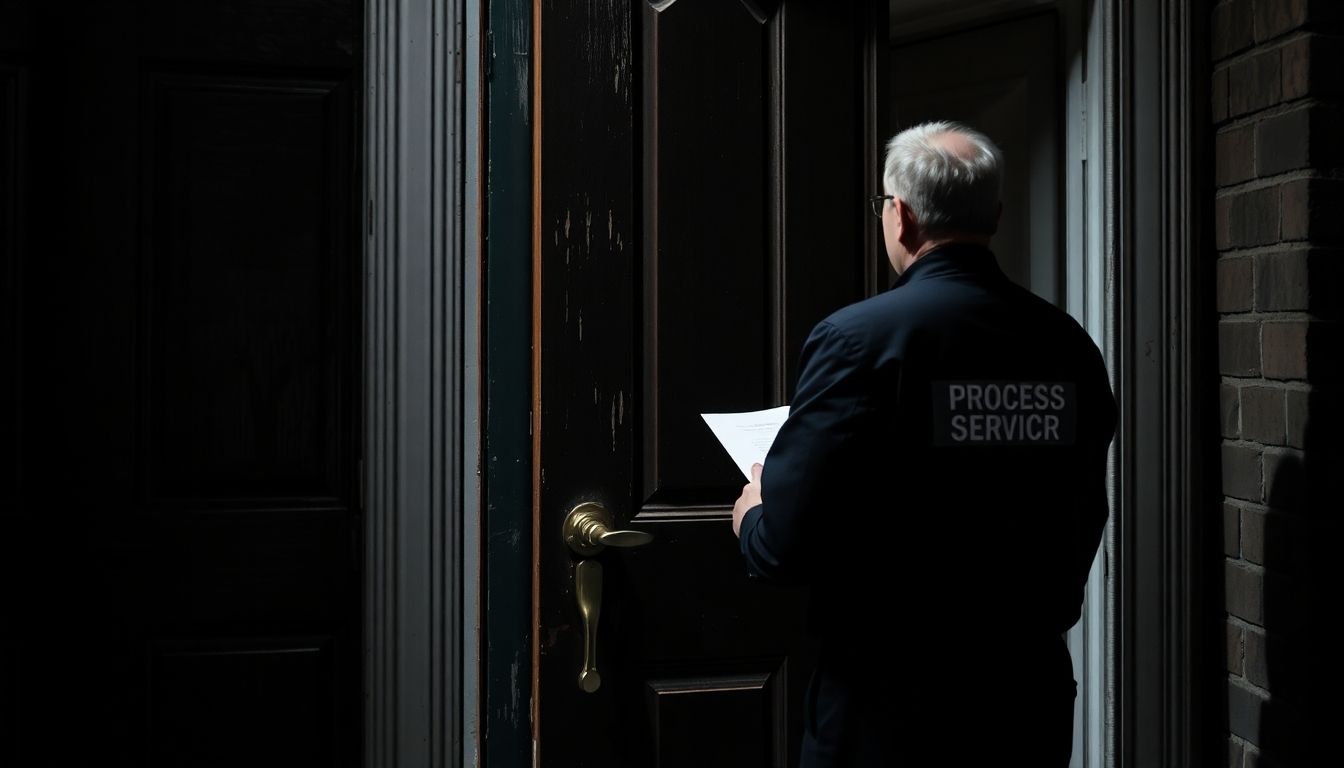
So, you might be wondering, are process servers just running around doing whatever they want? Nope! In many places, process servers need to meet licensing requirements. This often involves background checks, passing an exam, or completing some kind of training. It’s all about making sure they know what they’re doing and that they’re trustworthy. Not every state has these rules, but where they do, it adds a layer of professionalism and accountability to the job.
Oversight And Accountability
Process servers aren’t above the law, that’s for sure. There’s usually some form of oversight in place to make sure they’re doing things by the book. This can include things like a regulatory board or even the courts themselves. If a process server messes up or does something shady, there are ways to report them and hold them accountable. This helps maintain the integrity of the legal system and protects people from potential abuse.
Think of it like this: process servers are a key part of the legal process, and just like any other part, there are rules and checks in place to make sure everything runs smoothly and fairly.
Training Standards Across States
Okay, so the training for process servers can vary quite a bit depending on where you are. Some states might have pretty strict standards, requiring formal courses and certifications. Others might be more lenient. Here’s a quick look at how training standards can differ:
- Some states require mandatory training courses.
- Others rely on on-the-job experience.
- A few have no specific requirements at all.
It’s kind of a mixed bag, but the trend seems to be moving towards more standardized training to ensure that process servers are well-equipped to handle their responsibilities. This helps ensure proper legal document delivery and that everyone understands the rules.
Wrapping It Up
So, there you have it! We’ve tackled some of the biggest myths about process servers. They’re not cops, they can’t just waltz into your house, and dodging them won’t make your legal troubles disappear. These folks play a key role in the legal system, making sure everyone gets the right notices, no matter what the situation is. Understanding what they really do helps clear up a lot of confusion. Next time you hear someone talking about process servers, you can set the record straight! Thanks for reading, and if you ever need a process server, now you know what to expect.
Frequently Asked Questions
What does a process server do?
A process server delivers legal documents like summonses and subpoenas to people involved in legal cases. They make sure that everyone knows about the legal actions against them.
Can process servers enter my home without permission?
No, process servers cannot enter your home without your consent. They must follow the law and can only deliver documents in a lawful way.
If I avoid a process server, will I avoid legal problems?
Not at all. Avoiding a process server won’t stop a legal case from happening. Courts have other ways to notify you if they can’t reach you personally.
Are process servers like police officers?
No, process servers are not police officers. They don’t have the power to arrest anyone; their job is just to deliver legal papers.
Do process servers only deliver bad news?
Not really. While they often deliver court papers, they can also serve documents for positive things, like adoptions or business matters.
Is there a lot of training to become a process server?
Yes, becoming a process server requires understanding the law and proper training. It’s not just something anyone can do without knowledge.